
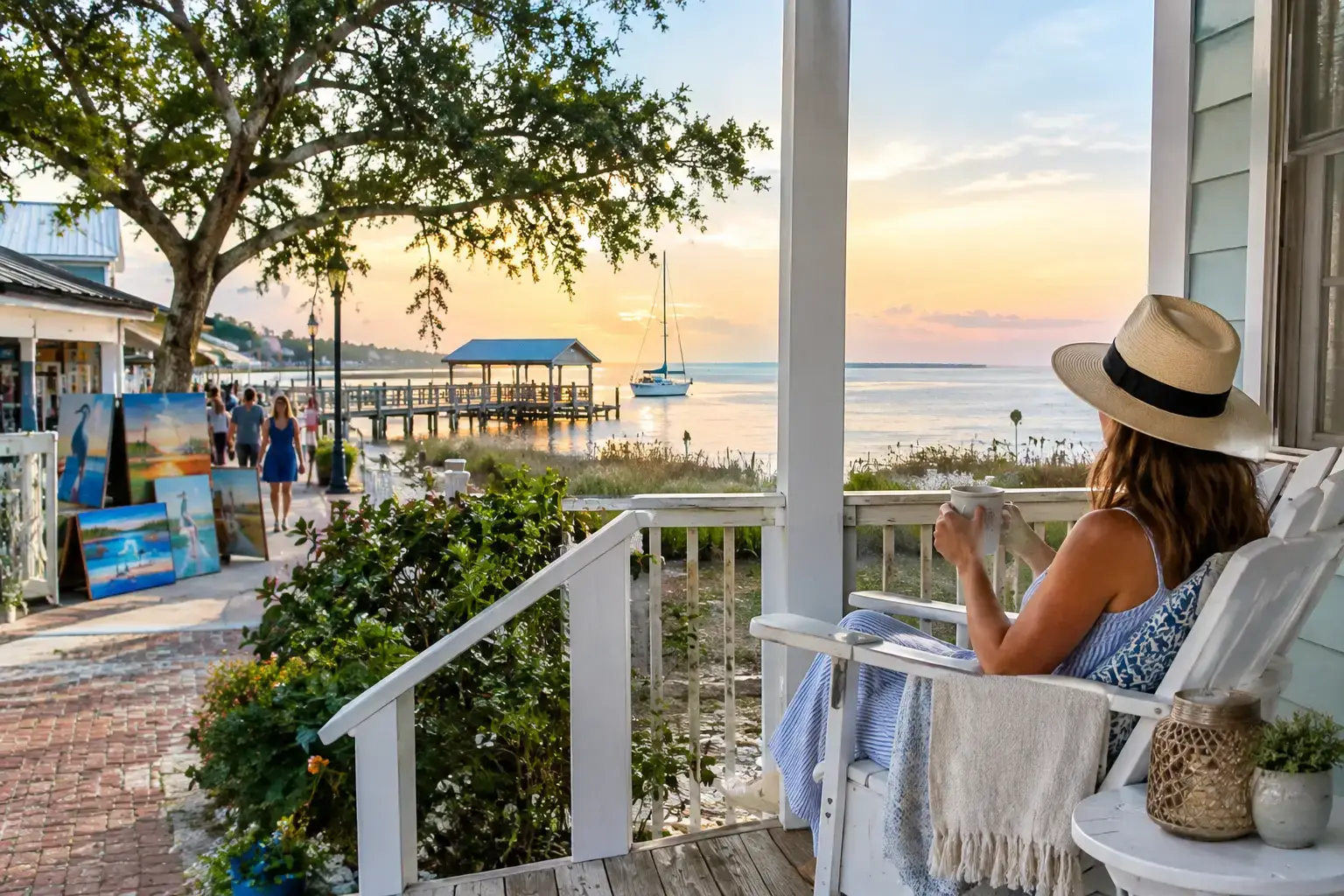
A beautiful rental with clean sheets and a good location used to be enough. Guests now compare stays by a different standard: Will this place give our trip a character of its own? That shift is behind the strongest experiential lodging trends, especially in destinations such as Ocean Springs, where beach time, galleries, restaurants, and a short drive to Biloxi can all fit into one weekend.
For couples, girlfriend groups, and families driving in from New Orleans, Birmingham, Mobile, Atlanta, Dallas, or Jackson, the appeal is practical as much as emotional. A memorable stay saves planning time, creates reasons to spend an evening at the house, and feels distinct from the generic inventory on major booking platforms. The best properties do not pile on gimmicks. They make useful choices about design, comfort, local context, and hosting.
Experiential Lodging Trends Are Moving Inside the House
For years, the experience in a vacation rental was largely outside the front door: the beach, a casino show, a restaurant reservation, or a boat trip. Those things still matter. Yet guests increasingly expect the house to carry part of the trip, particularly when weather changes, children need downtime, or a group wants one unhurried evening together.
This has led to a rise in homes designed for staying in as well as going out. A chef’s kitchen with cookware that actually supports dinner for six matters more than a staged bowl of lemons. A digital piano, karaoke system, board games, and comfortable living-room seating can turn a rainy Gulf Coast afternoon into part of the story rather than a disruption. The point is not to keep guests indoors. It is to make the hours between plans feel well spent.
This trend favors owners who know the difference between quantity and usefulness. A property can advertise dozens of amenities and still feel sparse if the sofa is uncomfortable, bedrooms get early morning light, or the kitchen lacks basics. Guests remember whether they slept well, whether everyone had a place to sit, and whether the home worked for the group they brought.
Bedrooms are becoming part of the narrative
A named bedroom with its own visual point of view is a small detail with unusual staying power. It gives guests a way to talk about the home before arrival and creates a natural answer to the familiar question, “Which room do you want?”
Room stories work best when they are specific to place, art, history, or the host’s point of view. At The NERV Haven, for example, Johanna’s Faith & Charity, Sargasso Lady, and Migrant’s Rest each have a distinct design and a story written on the door. That is more useful than a vague theme because it invites guests to notice the details without requiring an itinerary or explanation from the host.
The trade-off is maintenance. Highly individual rooms need to stay coherent over time. A framed story, quality bedding, and a few well-chosen objects will age better than a room crowded with novelty decor.
Comfort Is Now a Visible Part of the Offer
The hospitality basics have become more visible in listing decisions. Guests are reading reviews for mattress quality, temperature control, sound levels, blackout curtains, and bathroom layout. This is especially true for short breaks, when one poor night’s sleep can affect an entire two- or three-night stay.
Wellness-forward lodging has grown from this reality, but the strongest version is grounded in ordinary comforts. Weighted blankets, foot massagers, a quiet reading corner, blood pressure monitors, and adult coloring books can be welcome additions when they are optional and well maintained. Sound-dampening choices and a library with books worth opening can do just as much for the atmosphere.
There is a limit. A home does not need to resemble a spa or ask guests to follow a prescribed routine. Some travelers will use the wellness nook; others will spend their time at the beach, downtown, or in Biloxi. Good experiential lodging supports both kinds of trips without making either feel like the wrong choice.
Local Character Has to Be More Specific Than a Map Pin
Generic coastal decor is losing ground to homes that give visitors a clearer sense of where they are. In Ocean Springs, that can mean local art, references to the town’s creative history, a book on the region, or practical advice about where to park downtown and which areas suit a slower afternoon versus a late dinner.
Art is particularly effective when it is treated as part of the stay rather than wall filler. An art hallway with short artist write-ups, such as a “Pauseway,” gives guests a reason to look closely while offering local makers real visibility. It also gives a rental a visual identity that cannot be copied by ordering the same prints online.
Location still needs honest context. Ocean Springs is easy to enjoy by car, and downtown parking is generally manageable, so visitors do not need to choose a house based on walkability alone. A five-minute walk to the beach is genuinely convenient for sunrise, a quick shoreline stroll, or returning before dinner. A 15-minute walk to downtown may suit some guests, though summer heat, rain, and anyone carrying beach gear can make a car or golf cart rental the better call.
Season matters as well. Spring and fall are excellent for browsing galleries and dining outdoors. Summer rewards guests who plan around the midday heat and make the most of beach access. Cooler winter weekends can be ideal for restaurants, art, and a well-appointed house, even if swimming is not the main event.
Guests Want a Host, Not a Script
Personalized communication is another major experiential lodging trend, though it should feel helpful rather than intrusive. Travelers value a clear arrival process, fast answers, and recommendations matched to the trip they are actually taking. A couple celebrating an anniversary may want a quiet dinner suggestion. A group of friends may need a grocery strategy, golf cart information, and a plan for one big night out in Biloxi.
Direct booking can improve this part of the experience. Without large platform fees, properties may have more room to offer better value, flexible details, or a more personal pre-arrival conversation. Guests should still compare cancellation policies, total price, and protections carefully. Booking direct is compelling when the property makes its terms clear and communicates professionally, not simply because it is cheaper.
The same principle applies to charitable partnerships. When a stay supports a charity serving NICU families, the connection should be transparent and relevant to the property’s values. Guests appreciate knowing what their reservation contributes to, but they do not want a cause used as decoration in a sales pitch.
What Travelers Should Look for Before They Book
Experiential properties photograph well, so it pays to look beyond the first ten images. Read recent reviews for sleep quality, cleanliness, host response, and whether the home matches its listing. Check the distance to the places you expect to use most, then consider the conditions: walking 15 minutes to dinner is different at 72 degrees than at 92 degrees with Gulf humidity.
Ask whether the amenities match your group. A young family may prioritize bedroom layout, laundry, kitchen function, and a quiet place for early bedtimes. A girlfriend getaway may care more about enough bathroom space, areas for conversation, and a dining table that can handle a long dinner. Couples may value privacy, a comfortable bedroom, and the freedom to make a relaxed morning at the house part of the trip.
The most promising stays also leave room for your own plans. A good rental can introduce you to Ocean Springs through art, comfort, and local guidance, then send you out the door ready for the beach, downtown, and whatever else brought you to the Coast.