
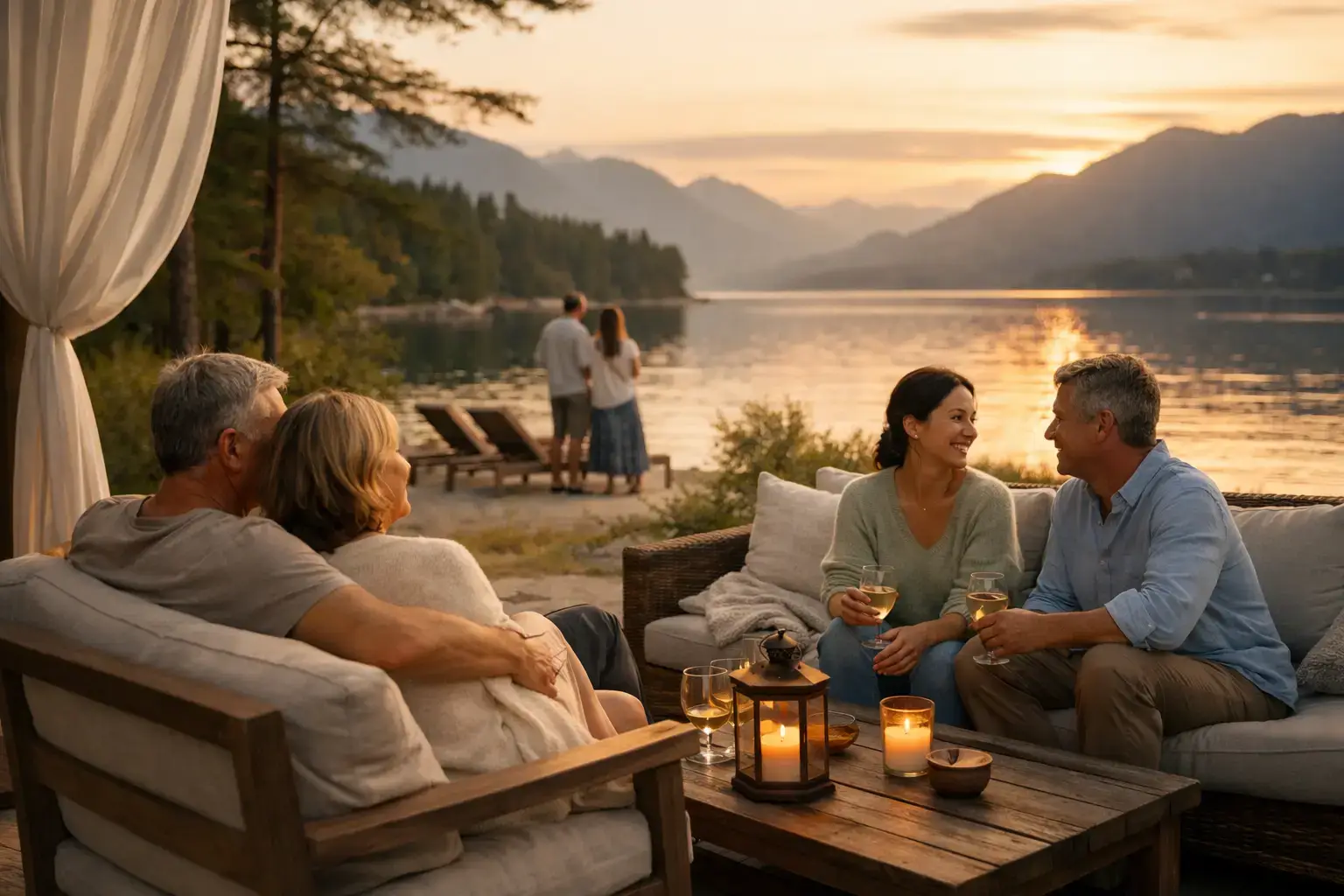
A vacation can look peaceful in photos and still leave you managing traffic noise, crowded common areas, an uncomfortable bed, and a list of decisions that follows you from home. Learning how to find a calming vacation space means looking past the décor and asking a more useful question: will this place make it easier to settle in?
For a couple planning a long weekend, friends gathering from New Orleans or Birmingham, or a family driving in from Dallas or Mobile, the right stay creates breathing room without requiring a highly choreographed itinerary. On the Mississippi Gulf Coast, that might mean a beach morning, an unhurried lunch in Ocean Springs, and an evening spent cooking, reading, or laughing around the piano instead of rushing from reservation to reservation.
How to Find a Calming Vacation Space Before You Book
Start with the setting, but do not confuse remoteness with rest. A house miles from everything can be wonderfully private, yet it may also turn every coffee run, dinner plan, or beach visit into a logistical project. On the other hand, a stay in the center of activity may trade away the quiet you came for.
The sweet spot is usually a residential setting with easy access to the places that give a trip texture. In Ocean Springs, being close enough to the shoreline for a simple morning walk and near enough to downtown for galleries, restaurants, and local shops offers that balance. Parking downtown is easy, and a golf cart rental can make moving through town feel pleasantly low effort. You should be able to choose activity when you want it, then return to a space that does not keep asking anything of you.
Read the location description with a practical eye. Is the home near a major road, nightlife district, train line, or large shared property? Are the beach, dining, and family-friendly attractions a short drive away? If quiet is a priority, details such as a residential street, a private outdoor area, sound-dampening features, and a thoughtful layout are more revealing than broad claims about being tranquil.
Photos tell their own story when you know what to notice. Look beyond the widest room shots. A calming space often shows restraint: clear surfaces, comfortable seating, warm rather than harsh lighting, and enough storage to put bags and everyday clutter away. Rooms should have a purpose. A bedroom needs to feel protected from the rest of the home; a living area should invite people to linger without being overly precious; a kitchen should make a casual meal realistic, not merely photograph well.
It is worth reading recent guest feedback slowly, especially comments about sleep, cleanliness, noise, temperature, and host communication. Praise for a beautiful house is lovely. Specific remarks about waking refreshed, finding the home exceptionally clean, or getting helpful local guidance are more useful when you are choosing a restorative stay.
Choose Comfort That Works in Real Life
The most memorable vacation homes tend to anticipate the moments guests do not always plan for. You come in sun-tired after the beach. Someone needs a quiet half hour. Rain changes the afternoon. A child wakes earlier than everyone else. Comfort is not one amenity – it is a collection of small decisions that make those moments easier.
Begin with sleep. Ask whether bedrooms are clearly separated, whether bedding is described in meaningful terms, and whether window coverings support a later morning when needed. Premium mattresses, soft layers, weighted blankets, and a cool, quiet room can do more for a weekend away than another decorative feature ever will. If you are traveling with friends or family, private bedroom retreats matter even more. Togetherness is better when everyone has somewhere to reset.
Then consider the forms of rest that happen while you are awake. A well-stocked kitchen supports a slower first morning and a shared dinner at home. A comfortable sofa, a curated library, and an outdoor spot with shade provide options that do not require spending money or making another plan. Amenities such as a foot massager, wellness nook, adult coloring books, or a digital piano may sound like extras, but they can shift the rhythm of a stay from passive scrolling to genuine downtime.
There is a trade-off here. A home packed with entertainment can be fun for a group celebrating a birthday or reunion, but too many screens, bright lights, and novelty features can work against a quiet escape. The best properties offer choice without creating pressure to use every feature. A karaoke system might become the center of one joyful evening, while the next night calls for tea, a book, and an early bed. Both should feel equally natural.
Let Design Set the Emotional Temperature
Calming design is not synonymous with all-white rooms or a generic coastal theme. It is a sense of coherence. Materials, artwork, color, and furniture should feel considered enough that you relax into the environment rather than mentally rearranging it.
Look for local character, especially when you are visiting a place with a strong creative identity. Art that has context, vintage details used with intention, and rooms with distinct stories can make a home feel grounded in its destination. At NERV Haven, each bedroom carries its own name and design narrative, turning the private parts of the home into more than interchangeable places to sleep. This kind of storytelling is not about spectacle. It gives a stay a sense of place.
A calming home also leaves visual room to breathe. You do not need empty walls or bare shelves, but you should not feel surrounded by competing patterns and decorations either. Natural textures, considered color, layered lamps, and artwork that rewards a second look tend to create a softer atmosphere than a room designed only for a quick first impression.
Pay attention to the transition points, too. An inviting entry, a place to put your keys, hooks for beach bags, and a clear path from kitchen to dining area reduce the low-level friction that builds up during travel. Good hospitality often feels invisible because the home simply works.
Plan for Connection, Not Constant Activity
A calm vacation does not have to be silent or solitary. For many travelers, restoration comes from being fully present with the people they brought along. The setting should support conversation as readily as it supports privacy.
Before booking, picture one ordinary evening in the home. Can two people make dinner without crowding each other? Is there room for a card game, a movie, or music after the kids are asleep? Could one person read while another talks on the porch? These small spatial questions are often more valuable than a lengthy amenity list.
For girlfriend getaways, a flexible gathering space and well-appointed bedrooms can keep the trip from feeling like everyone is piled into one room. For couples, a chef’s kitchen and a comfortable living area may make staying in more appealing than going out every night. Young families may value a layout that gives adults a separate place to wind down after bedtime. There is no single formula for calm, but there should be room for each traveler to participate in the trip at their own pace.
Meaning can also be part of the atmosphere. Some hosts create opportunities for guests to engage with the community in a gentle, optional way. A note of encouragement for a family navigating a NICU stay, tucked into a children’s book for delivery through Two Blue Butterflies, can add a quiet note of care to a visit without turning the vacation into an obligation.
Give Yourself Permission to Book Less
The final step in finding a calming vacation space is deciding what you do not need. You may not need the largest house, the busiest neighborhood, or an itinerary built around every local recommendation. You may need a beautifully cared-for home, a few well-chosen plans, and enough time between them to notice where you are.
Choose the place that makes a slower day feel complete: coffee without a clock, a walk near the water, an easy drive into town, dinner made together, and a room that welcomes you back before the evening is over.