
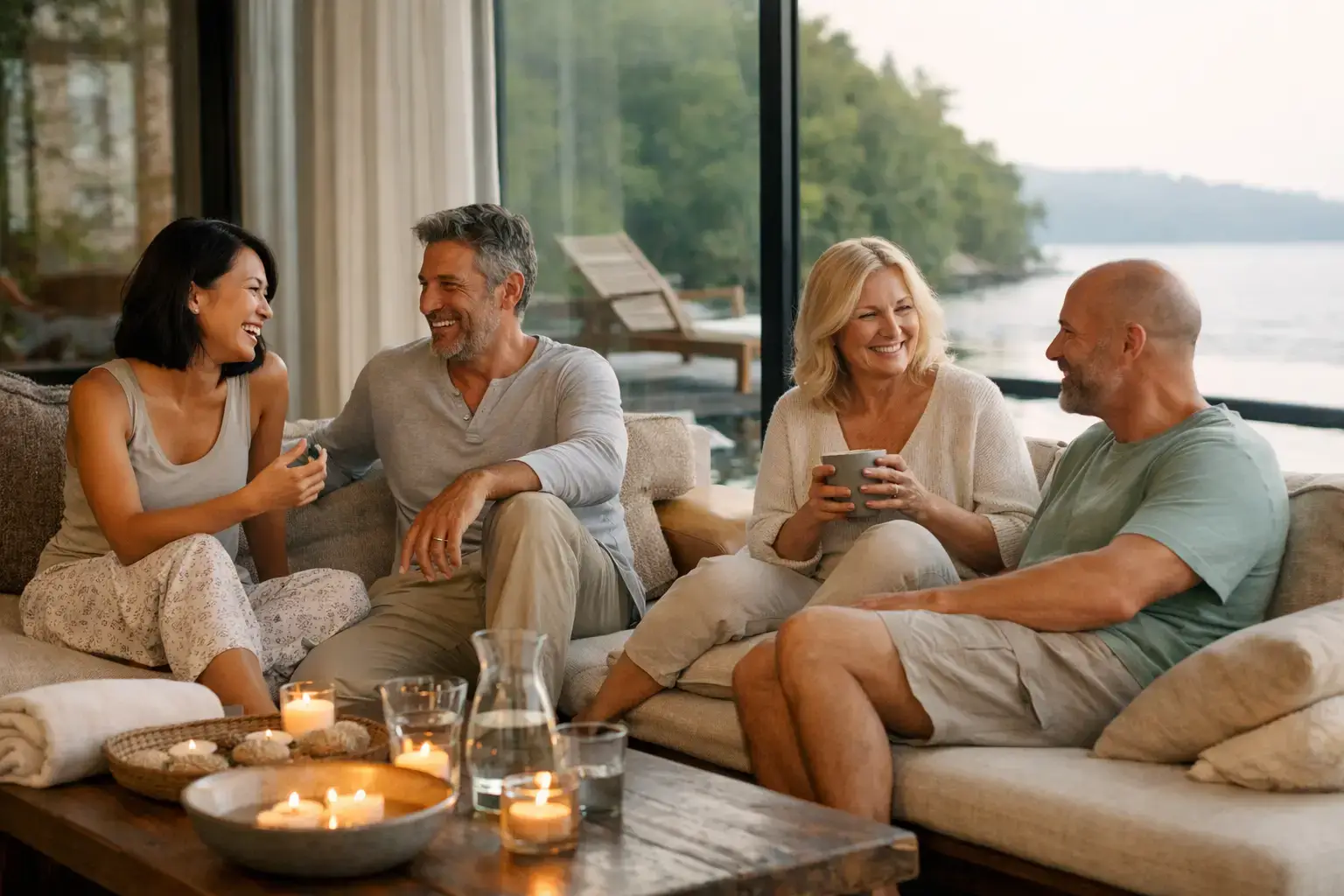
A vacation home can be beautiful, well located, and still leave you feeling as tired as when you arrived. When considering how to choose a wellness vacation home, look beyond the listing photos and ask a more useful question: will this space make it easier to rest, connect, and enjoy the time you set aside?
For a couples’ escape, a friends’ weekend, or a family trip along the Mississippi Gulf Coast, the right stay does more than provide beds and a kitchen. It shapes the rhythm of the days. It gives everyone room to settle in, offers small comforts when plans change, and makes staying in feel as appealing as going out.
Start With the Kind of Rest You Actually Need
“Wellness” is a broad word, and it should not mean the same thing for every trip. Some travelers want quiet after a demanding season at work. Others are craving long conversations, beach air, a proper meal around a table, or an unhurried morning without a checkout rush. A young family may define restoration as a home with enough space for children to sleep while adults can still enjoy the evening.
Before comparing properties, decide what would make the trip feel successful. Consider the pace you want, how many people are coming, and the moments you hope to have together. If your ideal weekend involves cooking, reading, music, and an early night, a home designed primarily for nightlife may not serve you well, regardless of its location.
This is also where honesty helps. A packed itinerary can be fun, but it is not always restorative. Choose a home that supports the trip you want rather than the trip you feel obligated to plan.
How to Choose a Wellness Vacation Home Beyond the Photos
Images reveal style, but they rarely tell you whether a home will be comfortable for three days. Read the property details with the same attention you would give a boutique hotel. Look for evidence of deliberate hosting rather than a generic inventory of furniture.
A well-considered vacation home often describes how guests use the space. Is there a real dining area for a lingering breakfast? Are the bedrooms designed with sleep in mind? Is the kitchen equipped for more than reheating takeout? Details such as lighting, window coverings, noise control, seating, and temperature management affect how the home feels after the novelty of arrival wears off.
The best listings make the practical information easy to find. You should know the sleeping arrangement, parking situation, location, amenities, house expectations, and who to contact if you need help. Luxury is not mystery. It is the assurance that someone has anticipated the ordinary needs that can interrupt a good trip.
Look for Comfort That Works at Night
Sleep is often the quiet measure of whether a getaway delivered. A beautiful bedroom with thin curtains, harsh lighting, or little sound privacy can undermine the entire experience. Seek out clear descriptions of mattresses, bedding, bedroom layouts, and any features that help the house feel calm once the day is over.
The details need to fit your group. Couples may value a deeply private primary suite. Friends may prefer bedrooms that feel equally inviting, so no one draws the short straw. Families may need rooms arranged to make bedtime manageable. A property that treats every bedroom as an intentional space usually creates a more gracious stay for everyone.
At The NERV Haven, each bedroom carries its own name and story, from Johanna’s Faith & Charity to Sargasso Lady and Migrant’s Rest. That kind of thoughtfulness is not merely decorative. It gives the home a sense of character while allowing guests to choose the room that feels most like their own retreat.
Notice Whether the Amenities Invite You to Slow Down
Amenities matter most when they are usable, not performative. A wellness-oriented home does not need a long list of gadgets. It needs a few well-chosen elements that encourage guests to take care of themselves and one another.
Weighted blankets, a foot massager, a quiet reading corner, a well-stocked kitchen, and soft places to sit can have more impact than an overpromised “spa” label. A digital piano or karaoke setup may be exactly right for a friends’ weekend, while a curated library and adult coloring books offer a gentler alternative to another hour of scrolling. These choices create options without putting pressure on anyone to follow a prescribed version of wellness.
Pay attention to whether the home has room for shared rituals, too. Cooking a meal, playing music, doing a puzzle, or simply lingering over coffee can become the part of the trip people remember. The property should make those ordinary pleasures feel easy.
Choose a Location With Both Access and Breathing Room
A restorative location is not necessarily remote. For many travelers driving in from New Orleans, Mobile, Birmingham, Jackson, Atlanta, Dallas, or elsewhere across the South, ease is part of the appeal. You want to arrive without a complicated final stretch, settle in quickly, and have worthwhile options nearby when you are ready to leave the house.
In Ocean Springs, that balance can mean staying close enough to the beach for a morning walk and near enough to downtown for galleries, local restaurants, and a relaxed evening out. It does not require filling every hour. Easy downtown parking and golf cart rentals make it simple to move through town on your own terms, whether your group wants a full afternoon of exploring or just dinner after a quiet day at home.
Consider the setting at different times of day. Is the neighborhood likely to be peaceful at night? Can you get coffee, groceries, or a good meal without turning it into a production? Is there enough nearby to make the trip feel grounded in a real place rather than isolated inside a rental? The answer depends on your travel style, but the best wellness stays give you a choice between solitude and local color.
Evaluate the Home’s Design as a Feeling, Not a Trend
Thoughtful interiors are not about copying what is popular online. They are about creating a room that feels good to inhabit. Natural textures, warm lighting, original art, comfortable seating, and a cohesive palette can make a home feel immediately welcoming. Just as valuable are the less visible choices: a place to put your bag, bedside surfaces that hold a book and a glass of water, outlets where you need them, and enough hooks and storage to keep shared spaces from becoming cluttered.
Ask whether the design supports your group’s real habits. An all-white living room may photograph beautifully but feel precious with young children. A large open space can be ideal for a reunion yet challenging if someone needs an early bedtime. A home with distinct corners for conversation, reading, work, and play tends to give groups more freedom.
Art can deepen the sense of place when it is presented with care. A hallway gallery with context about the artists, for example, turns a passage through the house into a small pause rather than blank square footage. That is the kind of design choice that feels personal without being intrusive.
Consider the Host Experience Before You Book
Even the most beautiful home benefits from attentive communication. Read recent guest feedback for signs that the host is responsive, accurate, and considerate when something needs attention. Look for comments about cleanliness, arrival instructions, the truthfulness of photos, and how the home felt in person.
Direct booking can also offer a more personal experience, along with better value when platform fees are removed. The most useful host communication is clear and well timed: enough local guidance to help you plan, without an avalanche of recommendations that turns a weekend away into homework.
A home with a genuine point of view may offer a meaningful way to connect beyond your own group. At some properties, that might include local art or community partnerships. The NERV Haven invites guests to leave notes in children’s books for families supported by Two Blue Butterflies, a nonprofit serving families with children in the NICU. It is a quiet invitation, not an obligation, and it reflects a form of hospitality that extends beyond the front door.
Give Yourself Permission to Choose Fewer Features, Better Executed
A wellness vacation home does not have to be the largest property, the newest build, or the one with the longest amenity list. A smaller home with excellent beds, a gracious kitchen, calm bedrooms, and spaces that encourage togetherness may be a better fit than a bigger property filled with features no one uses.
The right choice should make you feel relieved before you even arrive. Read closely, picture the ordinary hours of your stay, and favor the place that gives your group room to be human: sleepy, hungry, celebratory, quiet, playful, or all of the above. Book the home that makes those moments feel cared for, then leave enough room in the itinerary to enjoy them.